



Stress and significant psychological strain are a daily struggle for heads of municipalities and employees of self-government bodies in the border regions of Ukraine. Since the war makes these unavoidable, overcoming their effects and psychological recovery are vital skills to have. The U-LEAD with Europe Programme has launched a pilot project to support women leaders in the municipalities of the Chernihiv and Sumy Oblasts.
The Chernihiv and Sumy Oblasts were chosen for this project for a reason, as they are right next to the aggressor state, sharing a border with it: 560 km long in total for the Sumy Oblast and 225 km long in the case of the Chernihiv Oblast. During the full-scale invasion of 2022, the enemy attempted to advance inland through these very oblasts before getting stuck in certain areas and encircling some municipalities. The liberation of the oblasts in 2022 allowed some locals to return. Still, as the war rages on, it brings with it further challenges and threats. And women leaders of their municipalities in these areas are exposed to even greater stress and pressure.
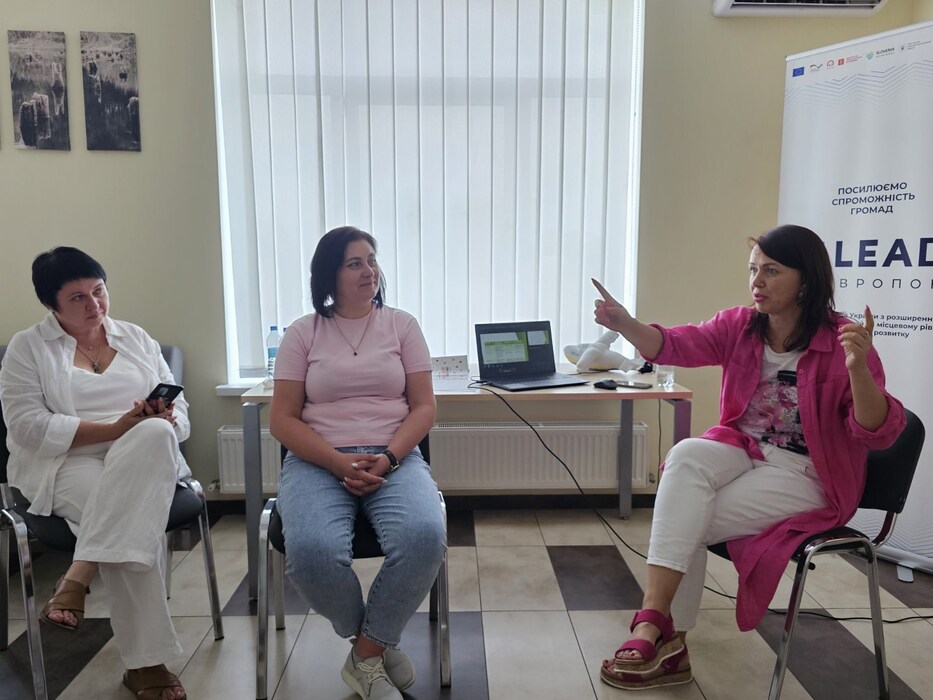
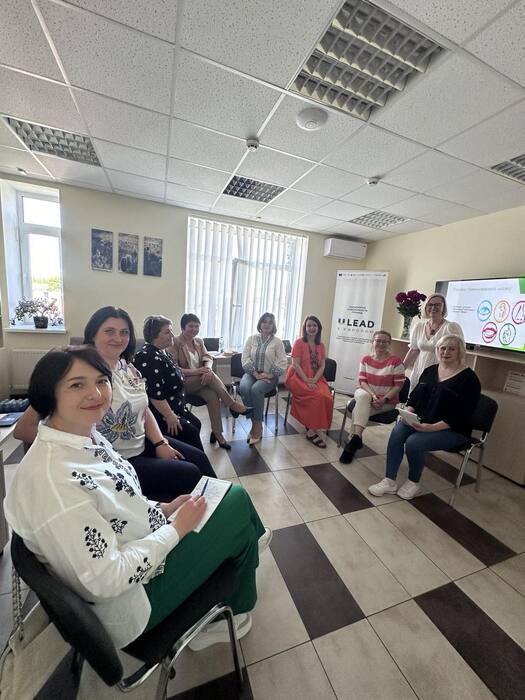
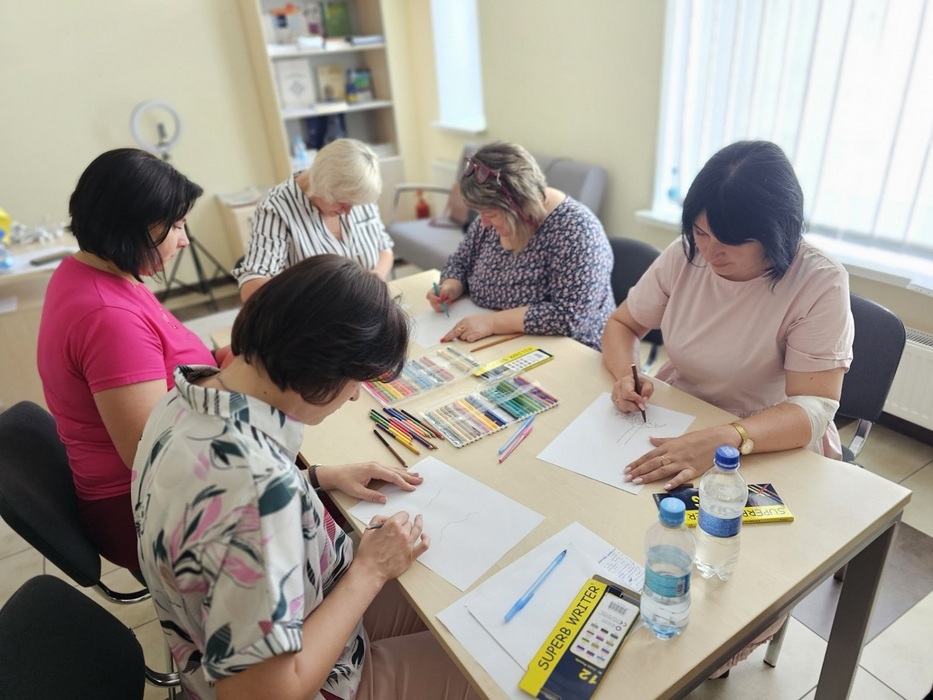
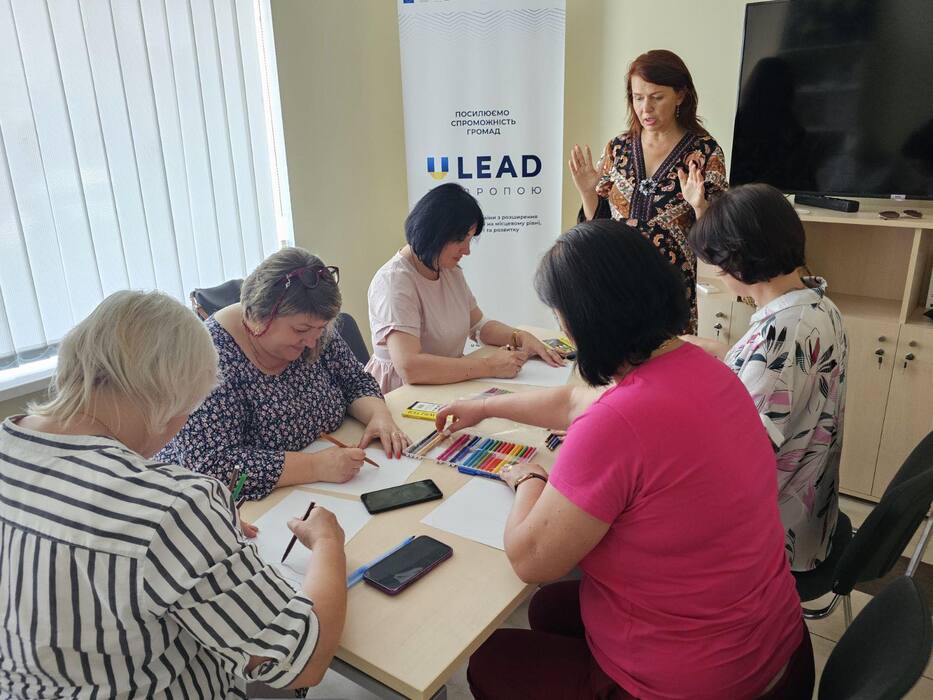
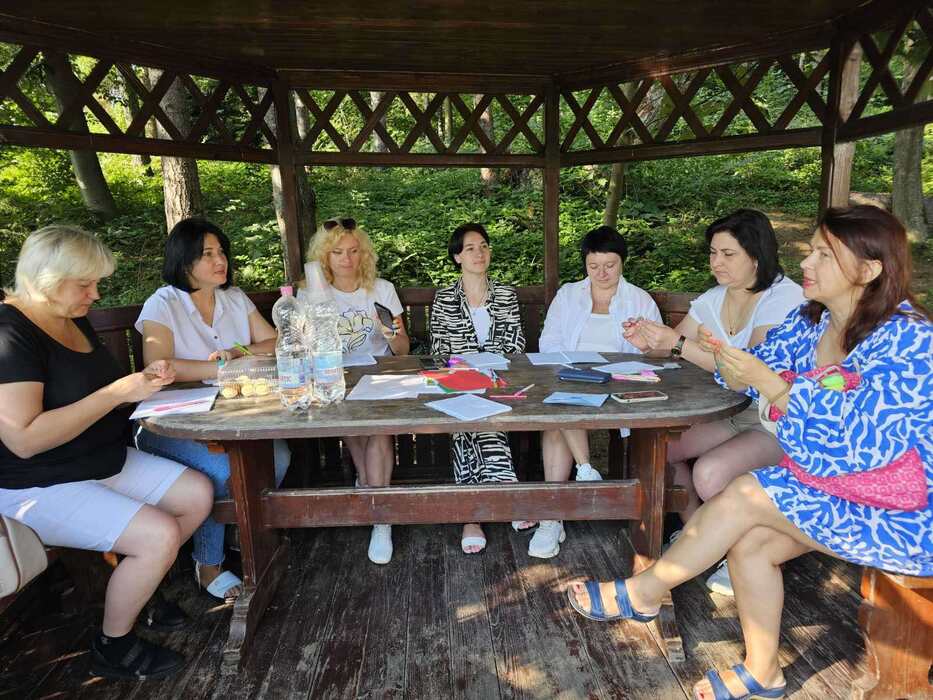
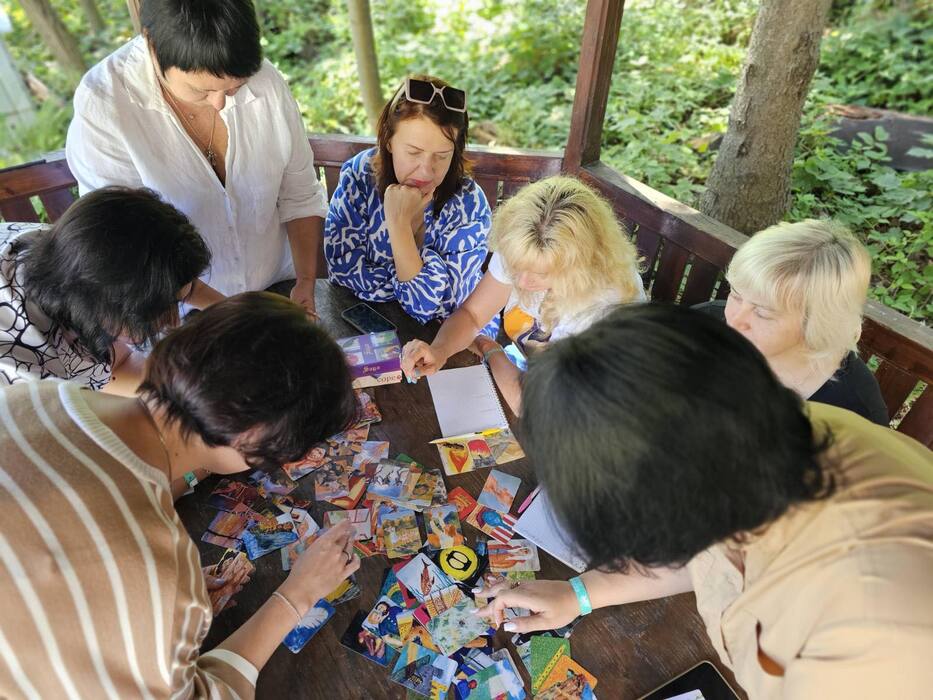
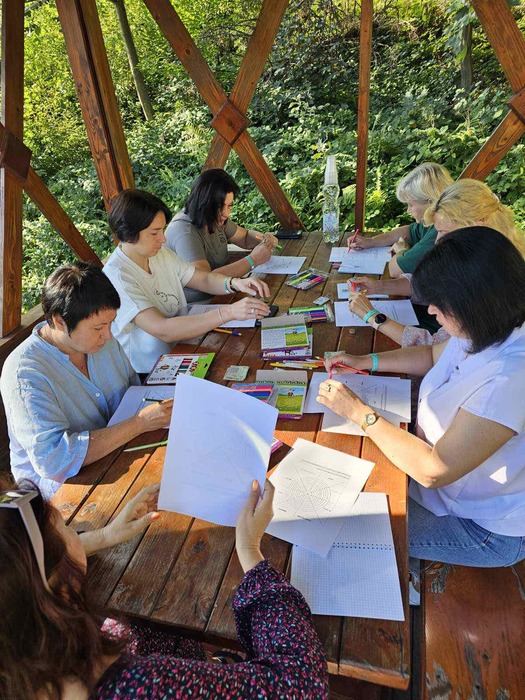
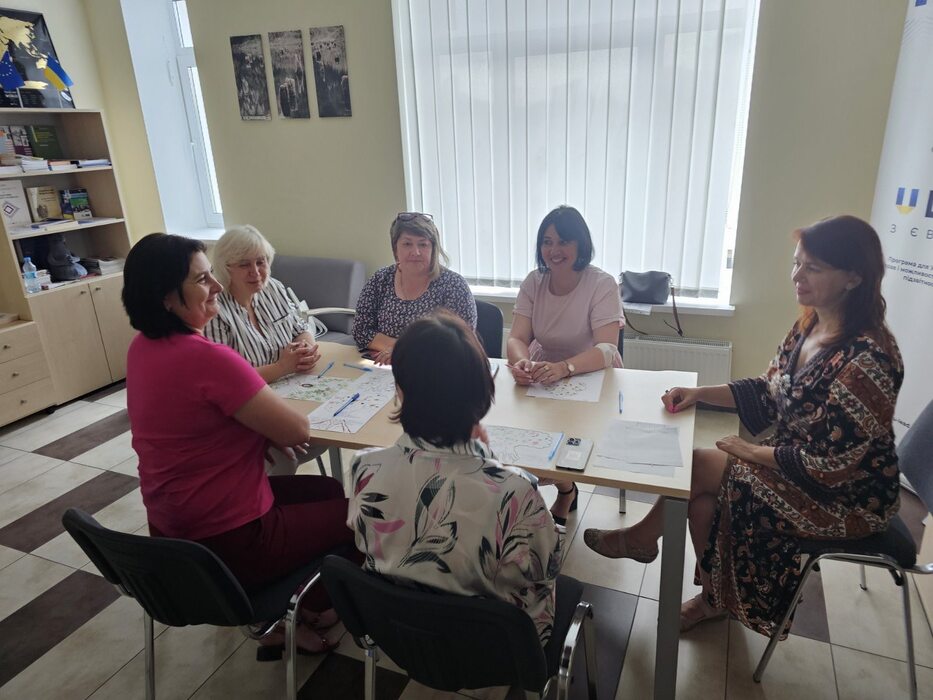
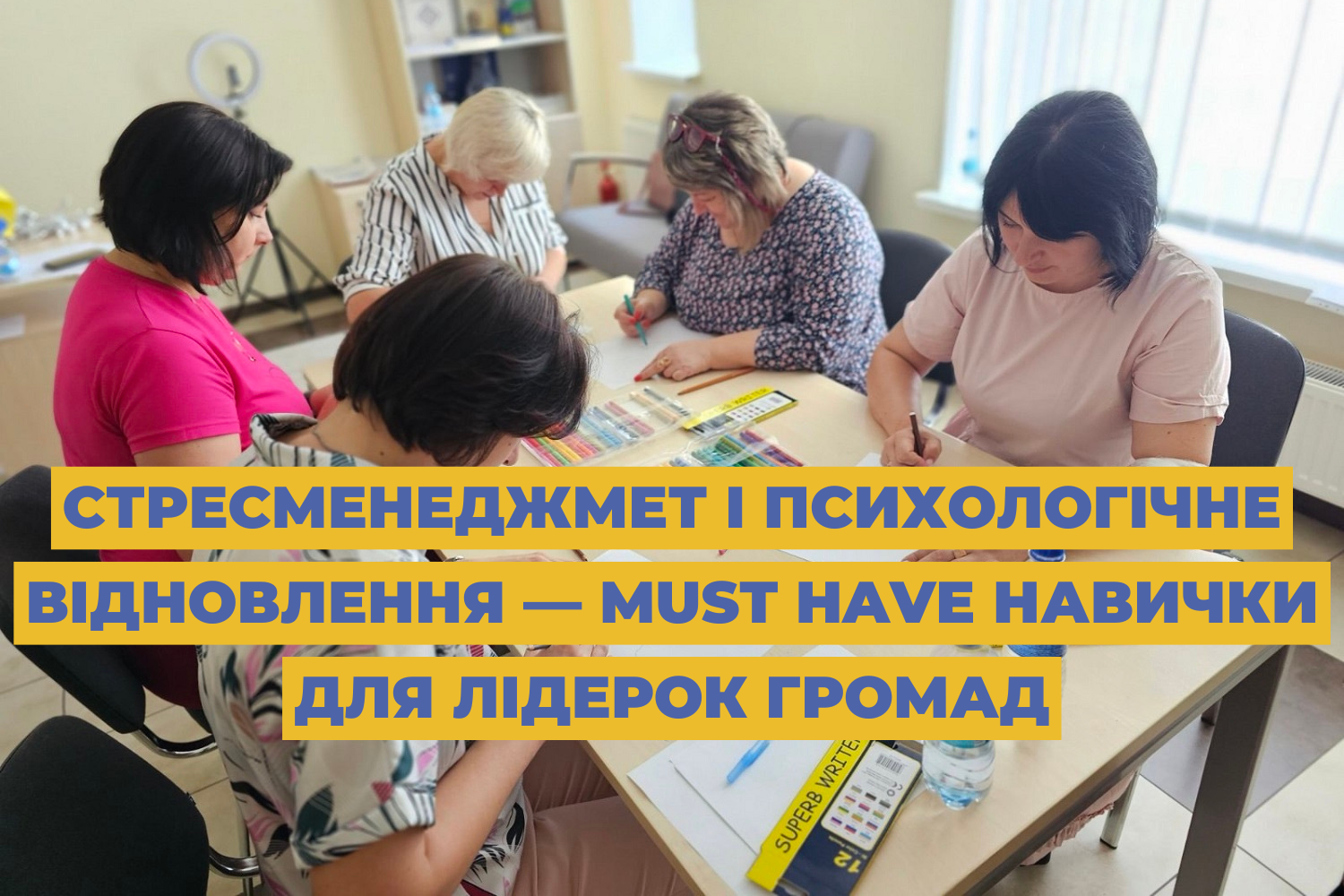
As part of the project “Supporting Women Leaders in Overcoming the Effects of the War”, the Crisis Centre for Mental Health NGO, with the support of U-LEAD with Europe, organised 5-month training, workshops and consultations with psychologists aimed at improving mental health and psychosocial well-being for women leaders of local self-government bodies.
According to Oksana Ivantsova, Head of the Crisis Centre for Mental Health, women statistically respond more strongly to war-induced stress, perceive information more emotionally and need additional resources to cope with stressful situations:
“What we are going through now is psychologically traumatic, and might further lead to mental health issues such as depression, anxiety disorders, PTSD. It is essential to take care of it in the early stages, aiming at prevention and mitigation of further complications as a long-term goal.”
Even though the border municipalities of the Chernihiv and Sumy Oblasts are shelled almost daily, local self-government employees stay in the municipalities, working under shelling and having to respond promptly to challenges caused by the war. A large part of these are women who routinely find themselves in stressful situations. Yet the municipalities themselves lack experts who can teach their employees stress management practices and techniques and provide the necessary psychological support. It is this problem that the project is designed to solve.
“Meetings with a psychologist allowed us to better understand many processes that we saw and perceived but lacked an understanding of why this was happening. Because women, in addition to their social role as a manager or employee in any field, return home to their kids and husbands, where their actual workload is even greater. Their responsibility for the life and health of other people, for their employees and loved ones is even greater. And this responsibility requires significant mental capacity,” said Svitlana Bytsko, head of the village of Dobrianka and participant of the project representing the Chernihiv Oblast.
The key tasks of the project include building stress management and psychological recovery skills in the participating municipal officials. After all, people respond differently to stressful situations and recover at a different pace.
“I also have a majority-female team, almost 90% women. Everyone’s responses were completely different, from those who would faint after the first shots to those who were ready to stand by me. No matter how you really feel, if you stay calm, your team stays calm as well, so it is important,” shared Svitlana Bytsko.
Another cross-cutting theme of the project is communication for women leaders. For example, how to convey information so that you are heard and understood correctly. After all, no matter what you do, if you fail to explain it in words that are accessible to your listener, you miss at least half of the result.
“We have to admit that not all of us are great at communication. We also, in a way, shut down when we get criticised a lot. It’s crucial to keep this in mind even as you want to close yourself off from everyone. You need to get over yourself, come to people and establish contact. Even if you are struggling, you are, in a sense, a role model, and other people look up to you,” said Svitlana Bytsko.
In addition to building self-care skills in 60 female municipal officials directly participating in the project, another of its goals is to promote such practices in Ukraine.
“Self-care practices are not established or widespread in Ukraine. After all, everyone is clear why you need to treat a tooth but not so much your mental health. And if something is unclear, it is therefore not too important, so you can put it aside and not think about it at all. We aim to drive home the importance of these practices, same as with physical health,” said Oksana Ivantsova.
Six municipalities joined the project “Supporting Women Leaders in Overcoming the Effects of the War”. Three municipalities are from the Chernihiv Oblast — Kulykivka, Dobrianka and Yablunivka, and three municipalities represent the Sumy Oblast — Berezivka, Nova Sloboda and Yampil.